Jake's Auto Repair Blog

Transmission fluid plays an essential role in keeping your vehicle's transmission lubricated, cool, and operating properly. When a leak develops, the fluid level can gradually fall, potentially causing increased friction and premature wear. A small leak may not seem urgent at first, but continuing to drive without addressing it can turn a manageable repair into a much more expensive transmission problem. At Jake’s Auto Repair, we provide expert transmission fluid leak repair in the greater Phoenix, AZ area. Here are four warning signs that your vehicle may have a transmission fluid leak. Fluid Spots Under Your Vehicle One of the most noticeable signs of a transmission leak is fluid accumulating beneath your parked vehicle. Transmission fluid can appear red, pink, brown, or dark depending on its age and condition. You may notice a small spot after parking or a larger puddle if the leak has become more severe. Other vehicle fluids can look similar, so professional inspection can help determine exactly where the fluid is coming from. Low Transmission Fluid Levels A leak can cause the transmission fluid level to gradually decline. If you’re able to check a transmission dipstick, you may notice that the fluid is below the recommended level. Some newer vehicles require specialized procedures to check transmission fluid. If the level is low, don't simply keep adding fluid without determining why. A professional can locate the leak and recommend the appropriate repair. Delayed or Hard Shifting Transmission fluid helps provide hydraulic pressure and lubrication needed for smooth gear changes. When fluid levels become too low, you may encounter delayed engagement, harsh shifting, or slipping. These symptoms can have other possible causes, but low fluid caused by a leak is one possibility. Prompt diagnostics can help prevent inadequate lubrication from contributing to further transmission damage. Burning Odor A noticeable burning smell can indicate that transmission fluid is overheating or has become degraded. A fluid leak can contribute to low fluid levels, increasing friction and heat within the transmission. In some cases, leaking fluid can also contact hot components and create an unusual odor. A burning smell should be investigated promptly because excessive transmission heat can accelerate wear and damage internal components. Transmission Fluid Leak Repair in Phoenix, AZ For expert auto repair in Phoenix and the surrounding area, contact Jake’s Auto Repair at 602-246-4900 . Feel free to give us a call to make an appointment for car care in greater Phoenix!

Your vehicle's alternator is responsible for generating electricity while the engine is running and keeping the battery charged. It powers important electrical components such as the headlights, dashboard electronics, power windows, radio, and climate control system. When the alternator begins to fail, your vehicle may develop a variety of electrical problems that can eventually leave you stranded with a dead battery. Recognizing the early warning signs of alternator trouble can help you schedule repairs before a complete charging system failure occurs. At Jake’s Auto Repair, our local mechanics provide expert alternator replacement and auto electric repair in the greater Phoenix area. Here are five common signs of alternator trouble. Lights Acting Erratically An alternator that isn't producing enough electrical power may cause your headlights or interior lights to become dim or flicker. You may notice the problem becomes more pronounced when using power-hungry accessories such as the air conditioner. Because the alternator supplies electricity while the engine is running, inconsistent lighting is often an early sign that it's struggling to keep up with demand. Battery Warning Light Illuminates In many instances, one of the first indications of an alternator problem is the battery or charging system warning light appearing on the dashboard. Although many people assume this light always means the battery is failing, it often points to an issue with the alternator or charging system. The warning light indicates that the battery is not receiving the proper charge. A professional diagnostic inspection can determine whether the alternator, battery, or another charging system component is responsible. Difficulty Starting the Engine The alternator continually recharges the battery while you drive. If the alternator isn't functioning properly, the battery gradually loses its charge until it can no longer provide enough power to start the engine. Electrical Accessories Begin Malfunctioning Modern vehicles rely heavily on electrical systems, and a failing alternator can affect many of them. You may notice power windows operating slowly, dashboard displays flickering, the radio cutting out, or other electronic features behaving unpredictably. These problems often occur because the alternator is unable to supply consistent voltage to the vehicle's electrical system. Strange Noises A worn alternator bearing may produce grinding or whining noises while the engine is running. This could be due to bearing or belt issues. Abnormal noises should always be promptly inspected. Alternator Replacement & Auto Electric Repair in Phoenix, AZ For expert auto repair in Phoenix and the surrounding area, contact Jake’s Auto Repair at 602-246-4900 . Feel free to give us a call to make an appointment! And be sure to check out all of our current special offers !
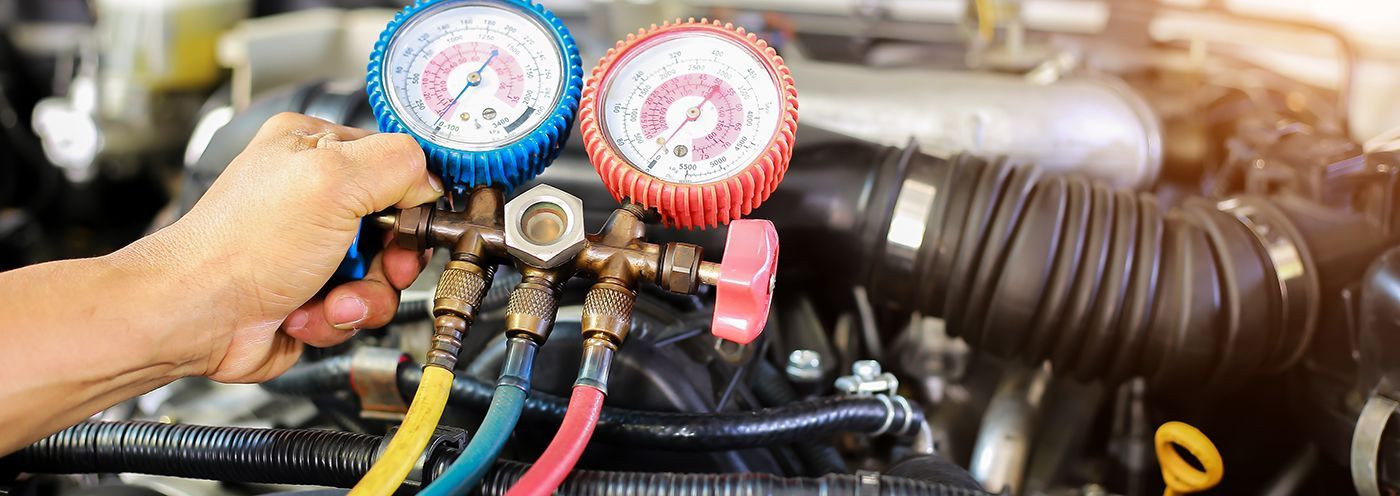
Get expert answers on cooling system repair. Learn about symptoms, causes & maintenance tips to keep your engine safe. Contact us today!

Your vehicle’s suspension system is responsible for maintaining ride comfort, steering stability, and overall driving safety. Components such as shocks, struts, springs, and control arms work together to absorb road impacts and keep the tires properly connected to the road surface. But as they get older, these parts naturally wear out and may begin affecting vehicle performance. Recognizing early signs of suspension trouble can help prevent more expensive repairs. At Jake’s Auto Repair, we provide expert suspension repair in the greater Phoenix, AZ area. Here are five common signs of suspension trouble. Excessive Bouncing After Bumps One of the most noticeable signs of suspension trouble is excessive bouncing after driving over bumps. Healthy shocks and struts should quickly stabilize the vehicle after impact. If the vehicle continues bouncing several times after a bump, the suspension may no longer be absorbing road impacts effectively. Excessive bouncing can reduce both ride comfort and vehicle control. Uneven Tire Wear Suspension problems often lead to uneven tire wear because the tires may not maintain consistent contact with the road. You might notice bald spots, cupping, or uneven tread patterns developing faster than normal. Uneven tire wear can reduce traction and shorten tire lifespan. Addressing suspension issues early can help protect the tires. Pulling/Drifting A vehicle with suspension problems may pull to one side or feel unstable while driving. Worn suspension components can affect wheel alignment and steering response. Drivers may notice difficulty keeping the vehicle centered in its lane. Poor handling can become especially dangerous during wet weather or emergency maneuvers. Nose Diving During Braking If the front end of the vehicle dips sharply forward during braking, worn shocks or struts may be the cause. This problem, often called nose diving, occurs when the suspension can no longer properly control weight transfer. Excessive nose diving can reduce braking stability and increase stopping distances. Clunking or Squeaking Noises Unusual noises coming from underneath the vehicle may indicate worn or damaged suspension components. Clunking, knocking, or squeaking sounds often occur when driving over bumps. These noises may result from worn bushings, loose components, or damaged shocks. Ignoring unusual sounds can allow the damage to worsen over time. Suspension Repair in Phoenix, AZ For expert auto repair in Phoenix and the surrounding area, contact Jake’s Auto Repair at (602) 246-4900 . Feel free to give us a call to make an appointment! And be sure to check out all of our current special offers !

Ensure your car is ready for the road with Jake’s Auto Repair. Learn four key ways a local mechanic can prepare your vehicle for a safe journey.
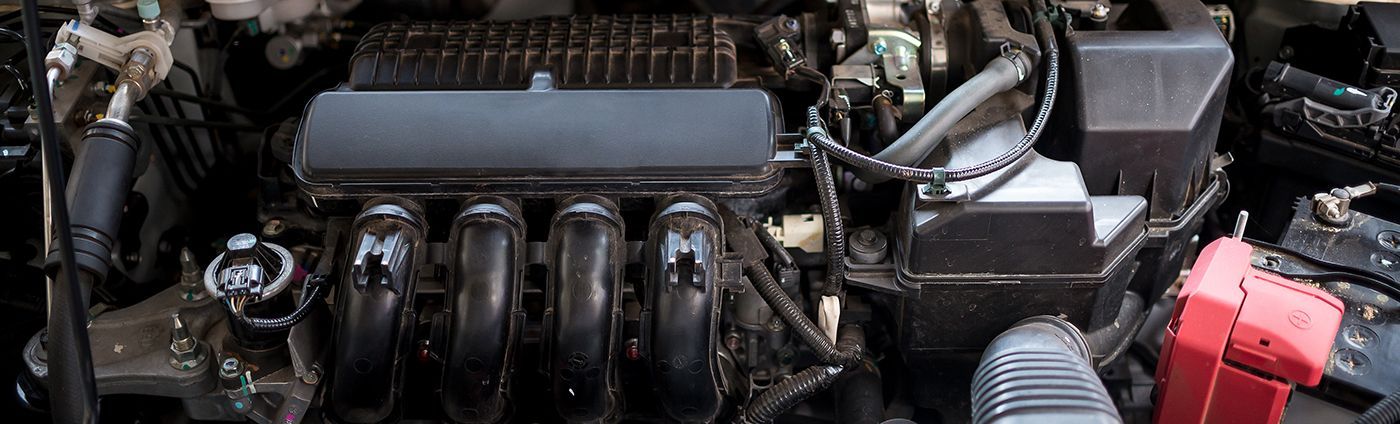
Maintain your engine's health with four essential tips. Contact Jake's Auto Repair for expert service in Phoenix, AZ.
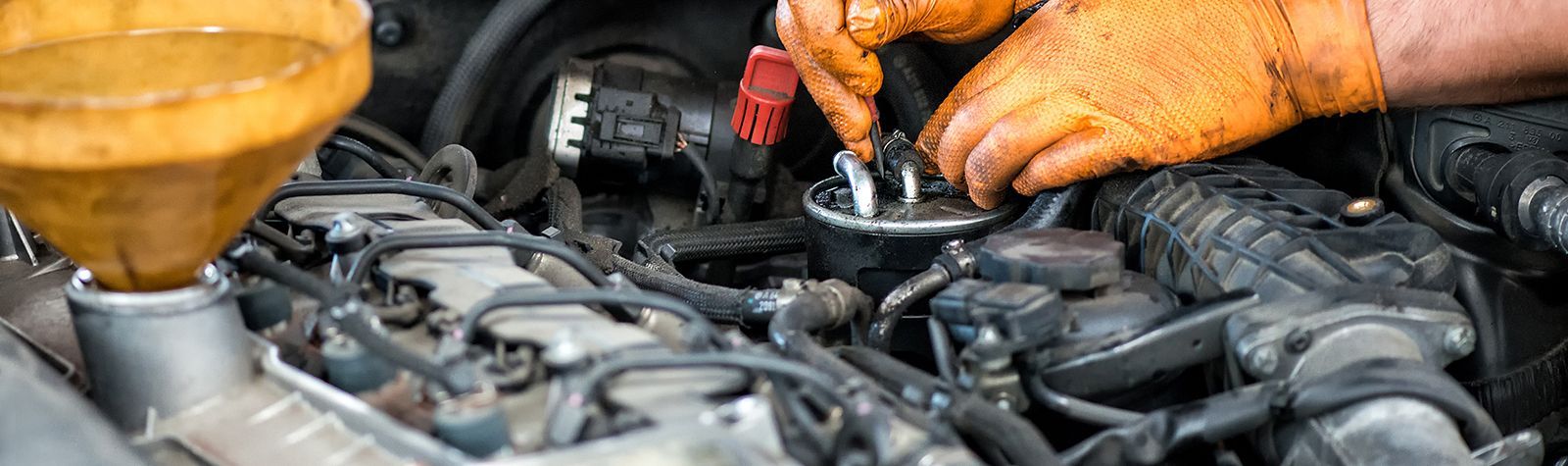
Find answers to fuel system repair FAQs. Ensure your vehicle runs smoothly. Contact us for expert service!
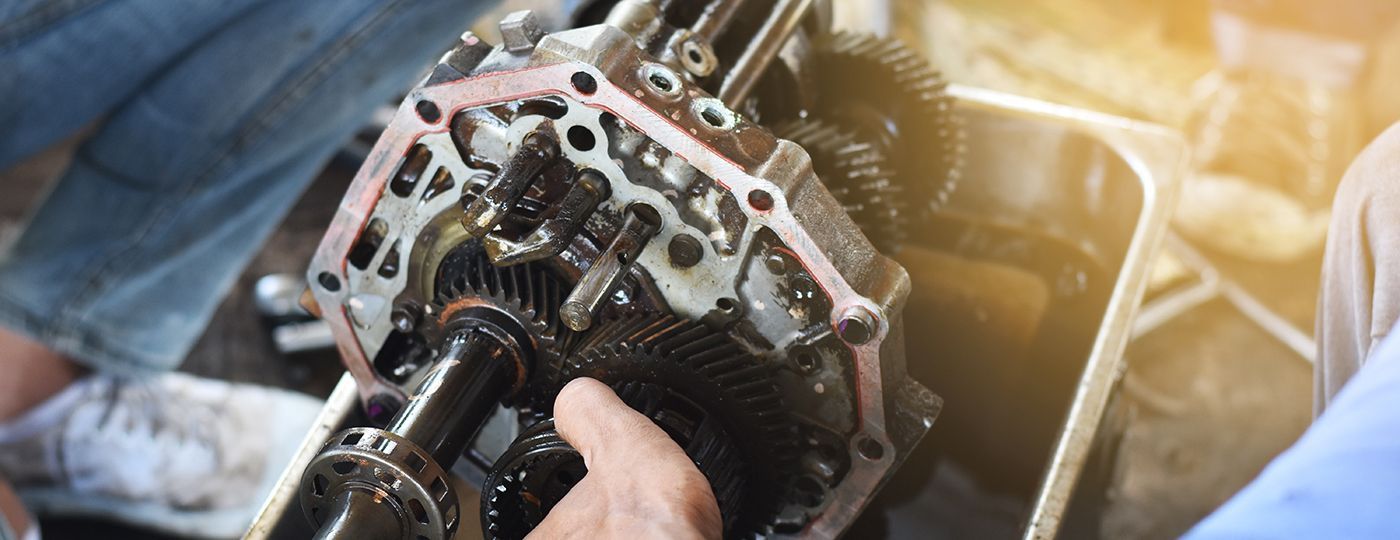
Learn to identify transmission fluid leaks & their causes. Get expert repairs at Jake's Auto Repair. Ensure your vehicle's performance today!
Read the latest reviews for Jake's Auto Repair. See why customers trust us for reliable & affordable auto repair services!